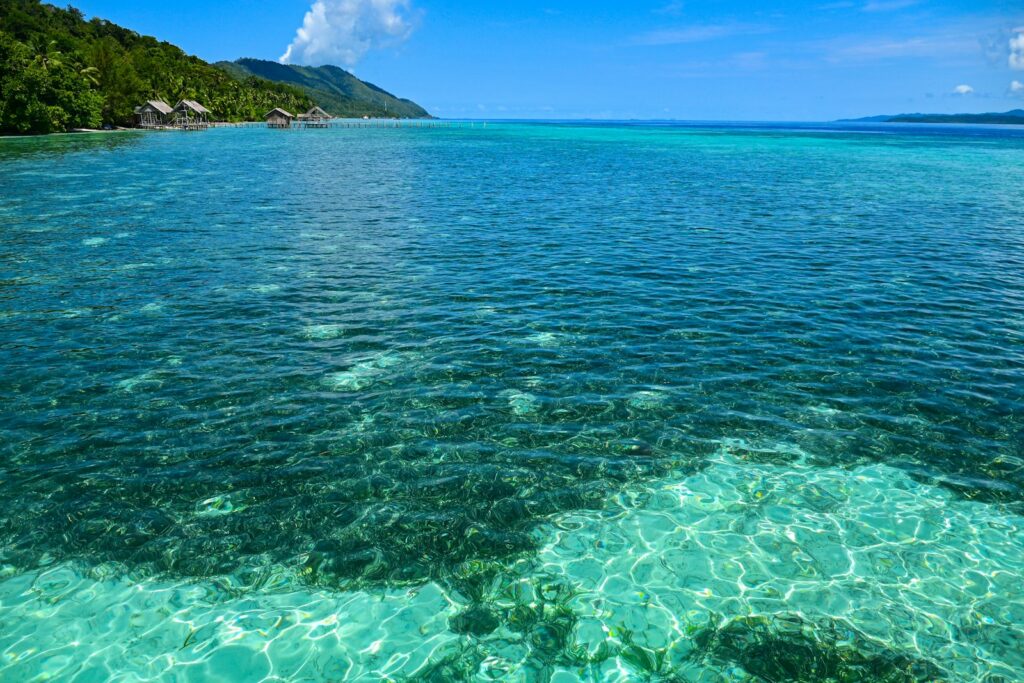
Plan Your Snorkeling Day
Tell us how you snorkel. We reply on WhatsApp with honest tour options and current prices from operator partner Komodo Luxury — no obligation.
Free, no obligation. We publish the guide; operator partner Komodo Luxury (sister brand, disclosed) runs the boats.
The Spots, Graded Honestly
Current strength, skill level, and what you will actually see — spot by spot.
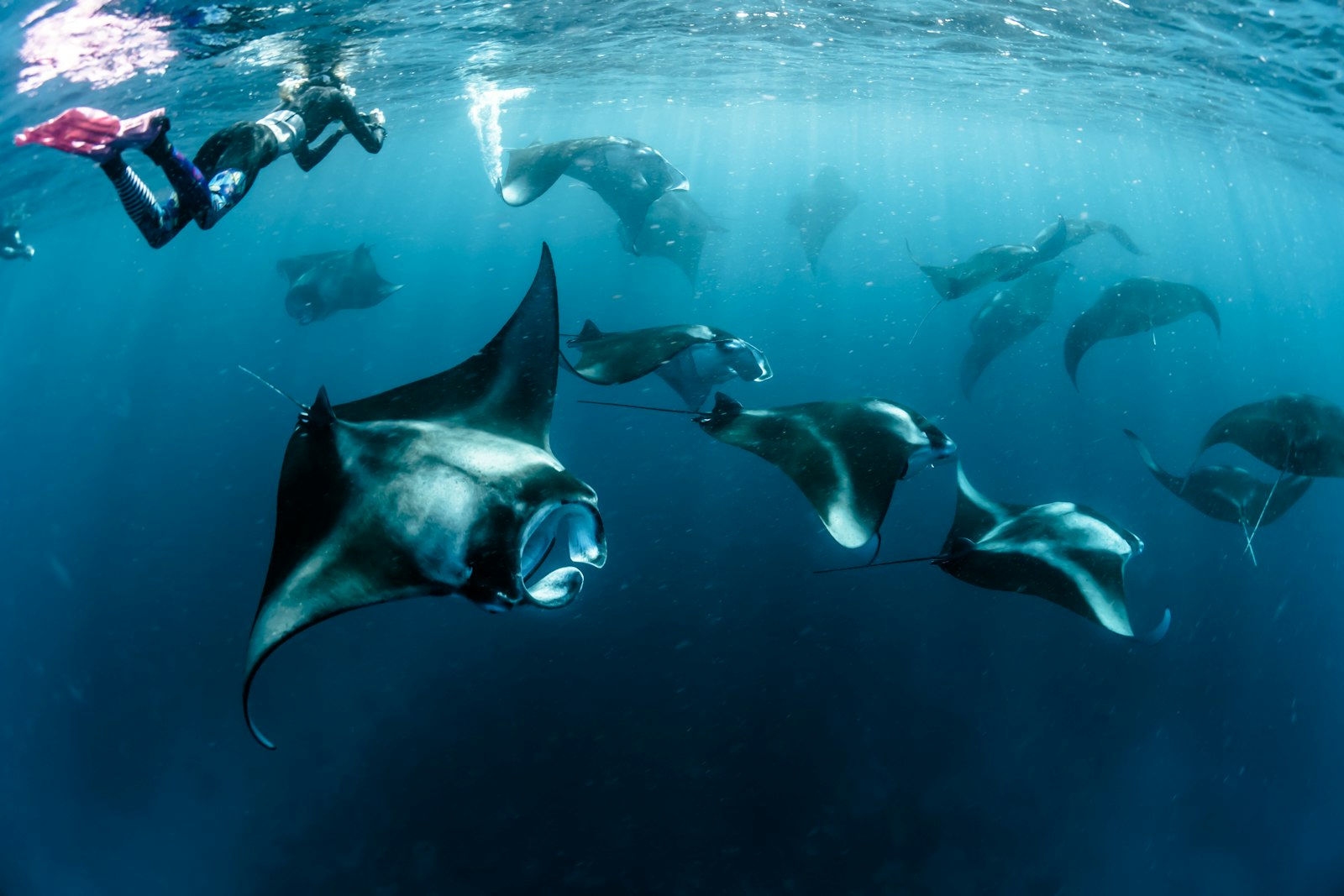
Manta Snorkeling
Read the guide →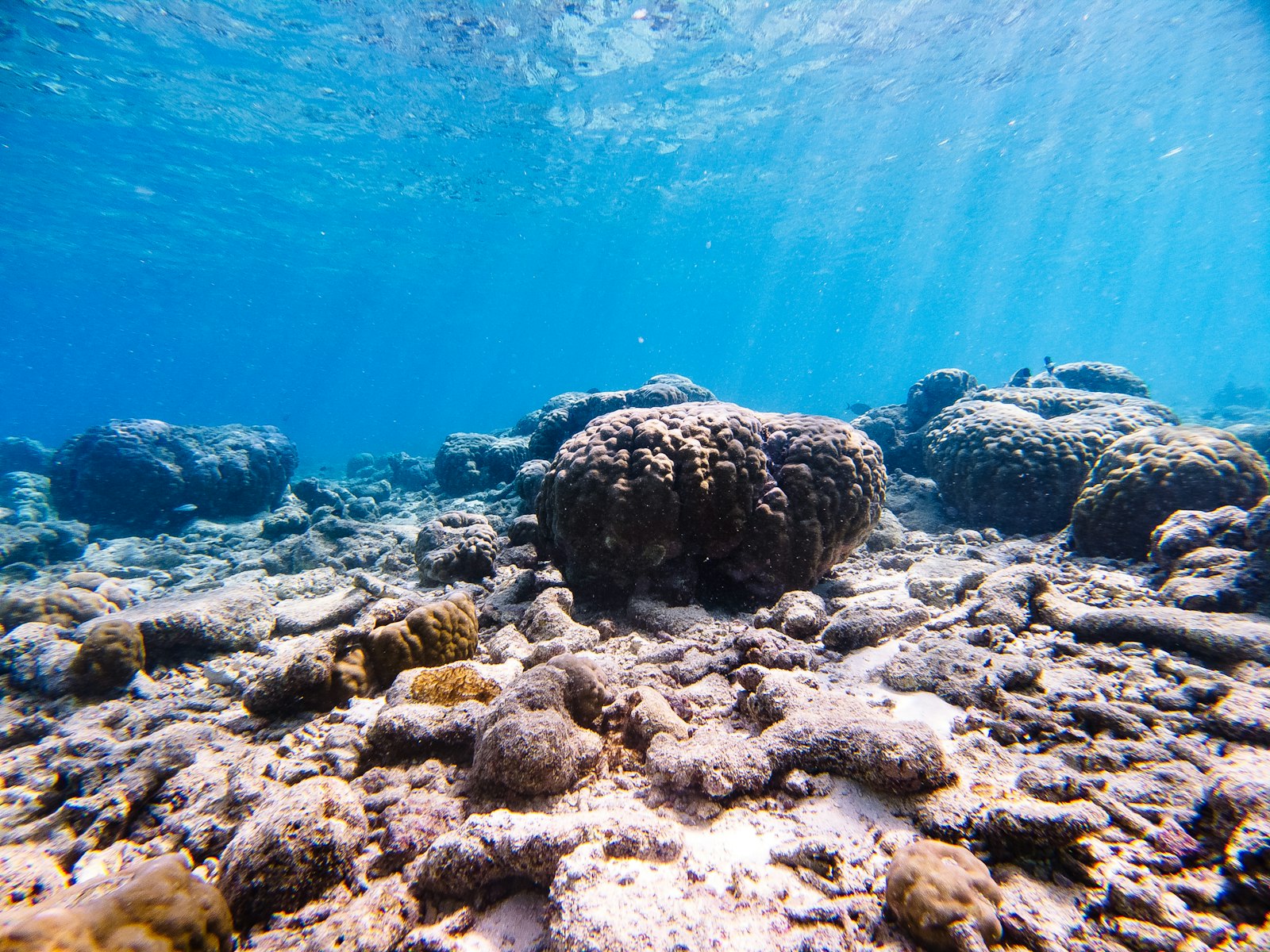
Siaba Besar Turtles
Read the guide →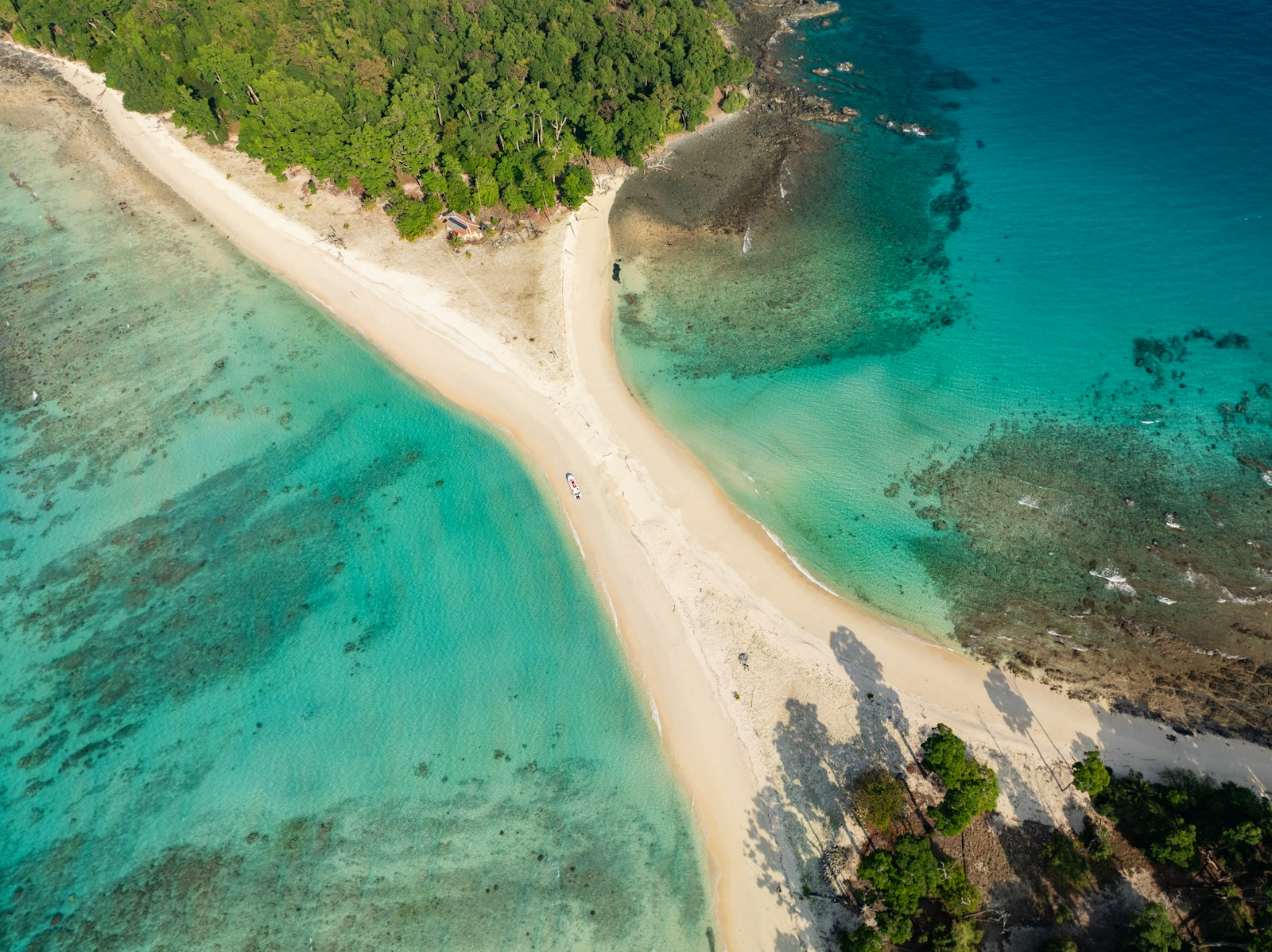
Taka Makassar
Read the guide →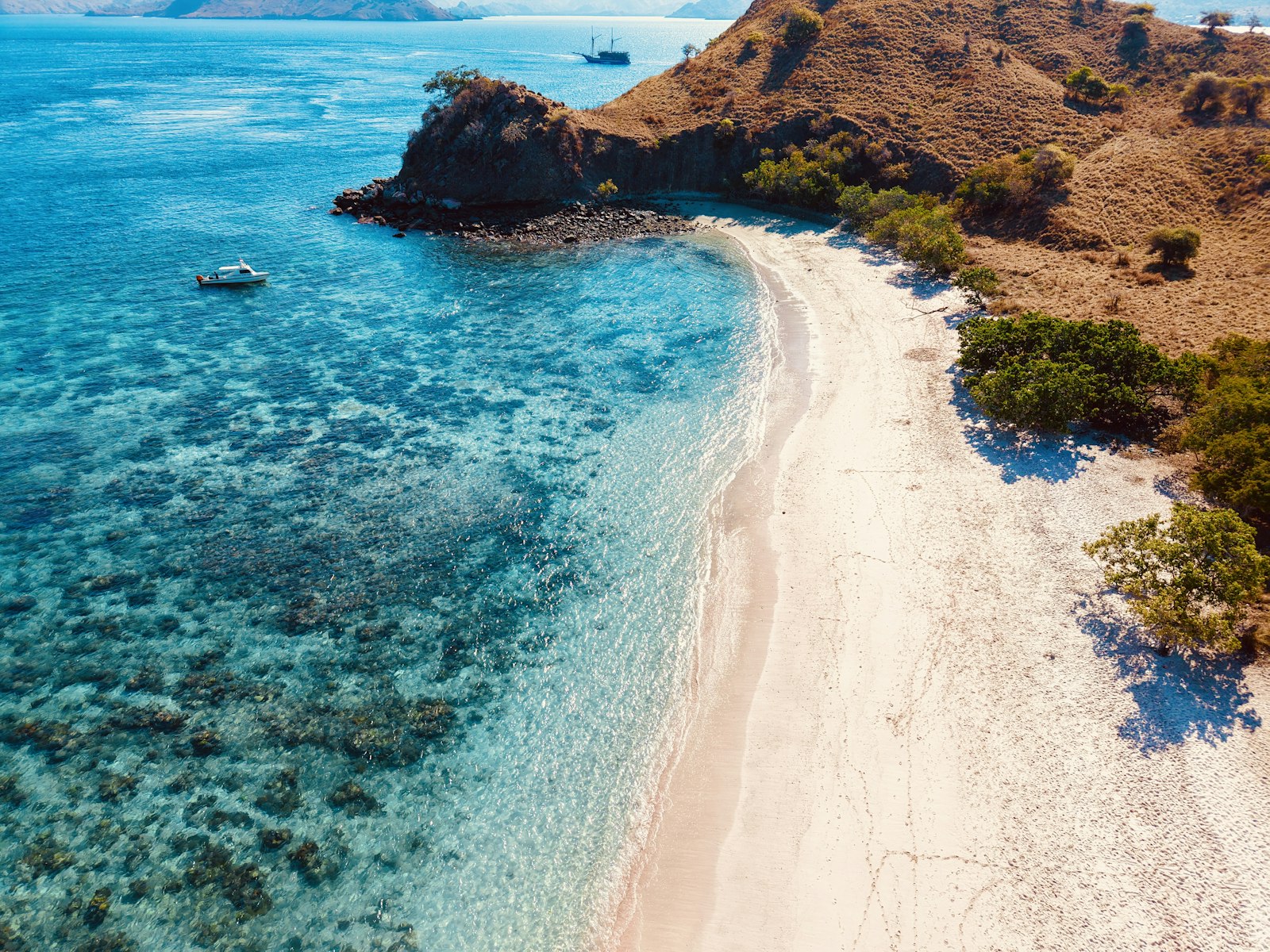
Pink Beach
Read the guide →Know Before You Book
The answers operator sales pages skip.
Prices & Costs
See the math →
Park Fees for Snorkelers
Decode the fees →
Non-Swimmers & Beginners
Read first →
Snorkeling vs Diving
Compare →Why Komodo Snorkeling Tour
Snorkel-First
Every ranking page serves divers first. We grade Komodo for people who stay at the surface — honestly, spot by spot.
Currents Told Straight
Karang Makassar is a drift. Pink Beach has a current line. We say so, and we say which spots beginners should choose instead.
Fees Itemized
Entrance, snorkeling activity fee, ranger — broken out and dated, so the cash-on-the-boat moment never surprises you.
Operator Disclosed
Bookings go to operator partner Komodo Luxury — a sister brand within Juara Holding Group, disclosed in full.
From Reading to the Reef
How planning works.
Tell us how you snorkel
Shared or private, mantas or turtles, kids or drift-confident — sixty seconds above.
Get honest options
Current prices, what is included, and the spots that fit your swimmers — from the operator partner, disclosed.
Get in the water
The boat, guide and park permits are handled. You bring the mask time.
A Komodo snorkeling tour is a day or multi-day excursion from Labuan Bajo into Komodo National Park where you explore the reefs, manta-feeding grounds, and turtle-dense shallows entirely from the surface — no scuba certification needed, no regulator in your mouth, just a mask, snorkel, and the Indonesian Flores Sea. That simple fact matters more than most tour pages admit: snorkelers have genuine, sometimes extraordinary access here. Mantas feed in the top 0–5 m of the water column at Karang Makassar. Green turtles graze in 2–6 m of water at Siaba Besar. Coral gardens at Kanawa start at arm’s length from the surface. The question nobody answers honestly is not whether snorkeling is worth it in Komodo — it clearly is — but which tours actually keep you in the water long enough to see it.
The Problem With Standard 6-Stop Day Trips
Most shared speedboat itineraries advertise six stops: Padar Hill sunrise, Komodo Island for dragons, Pink Beach, Taka Makassar sandbar, Manta Point, and one more snorkel site. On paper that sounds thorough. In practice, Padar and Komodo are land stops — you’re hiking, not snorkeling. Transit between sites on a fast speedboat from Labuan Bajo to the central park takes roughly 2–2.5 hours each way. By the time you account for island walks, lunch, and boat transfers, a 10-hour trip can yield fewer than three hours of actual in-water snorkel time across all wet stops combined.
Compare that with a slow wooden boat (phinisi-style) doing fewer stops: longer in-water windows at each site, less engine noise, less swell-induced nausea — but a later arrival at the good current windows, and often a cut Manta Point attempt if the tide isn’t right. Neither format is objectively better. They are genuinely different products serving different priorities.
If maximizing in-water snorkel time is your goal, the calculus shifts toward either a private charter that lets you time each stop to the tide, or a snorkel-first tour itinerary that drops the land stops and focuses on three or four wet sites with room to breathe at each. The sections below give you the tools to choose.
Tour Formats and Price Ranges (Last Verified June 2026)
All figures below are market ranges from multiple operators — not fixed tariffs. Prices drift toward the upper end in peak season (July–August, when cheap seats sell out first). Park fees are almost always excluded; budget Rp 400,000–550,000 cash per foreign adult on a full Padar + dragons + snorkel itinerary including ranger shares.
| Format | Typical price (last verified June 2026) | Group size | Snorkel stops | Best for |
|---|---|---|---|---|
| Shared speedboat, full day | Rp 1,400,000–1,600,000 per person (~USD 85–100); market span USD 60–150 | Up to ~20–22 pax | 2–3 wet stops on a 6-stop itinerary | Budget travelers comfortable in a crowd; want the dragons + snorkel combo |
| Shared slow boat (wooden/phinisi) | Rp 900,000–1,300,000 per person (~USD 55–80) | Varies; typically 10–20 pax | 2–3 stops, longer dwell time per stop | Snorkelers prioritizing time at each site over reaching the far park; motion-sensitive travelers |
| Private speedboat charter | Rp 6,000,000–10,000,000/day (2–6 pax); premium Rp 10,000,000–18,500,000/day | Your group only | You set the itinerary; tide-timed entry at Manta Point | Families, weak swimmers needing personal attention, serious snorkelers who want current-correct timing |
Note: park entrance fees, ranger fees, and harbor fees are almost universally excluded from these tour prices — see the fee section below for what to bring in cash.
Ready to compare options for your dates? Plan your trip with our concierge — or reach us directly on WhatsApp for a quick itinerary chat before you book anything.
Honest Spot Grades: Which Sites Suit Which Swimmers
Current is the defining variable in Komodo National Park. The same site that is beginner-friendly at slack tide can push an unprepared snorkeler sideways within two minutes on a running tide. What follows is a candid breakdown of the main snorkel sites on the standard day-trip circuit, graded by current strength and minimum skill level.
Karang Makassar (Manta Point)
This is a long rubble-and-sand plateau in central Komodo, not a shallow coral garden. Mantas use the cleaning stations at 8–15 m depth but regularly cruise in the top 0–5 m and sometimes break the surface on calm mornings — snorkelers genuinely see them, not just divers. The catch: this is a drift site with currents widely described as strong, typically running 1–3 km/h depending on the tide (estimated, not instrumented). You enter up-current on the guide’s signal, drift as a group, and the boat picks you up down-current. Weak swimmers should wear a life jacket in the water here. Reputable operators skip the entry entirely when conditions are too strong — that’s a good sign, not a letdown. Grade: intermediate+. Not recommended for non-swimmers or anxious beginners unless accompanied in the water by a guide.
Manta sightings are possible year-round, with aggregation typically strongest around November–February when plankton concentrations peak. They are also seen in June–August. No operator can guarantee an encounter — any promise otherwise is false.
Siaba Besar (“Turtle City”)
Protected hard-coral reef, main snorkel band 2–6 m, current rated mild to protected. Multiple green turtles per session is the norm, not a rarity — this site earns its nickname. Grade: beginner-friendly. Good for families and first-timers. One of the best sites in the park for non-swimmers with a life vest.
Kanawa Island
Beach-entry house reef dropping from 1–2 m to 5–8 m. Current is consistently mild in the protected bay. Visibility is reliably good. Grade: beginner-friendly. One of the most forgiving sites in the park for people snorkeling for the first time in open water.
Pink Beach (Pantai Merah)
You snorkel directly off the beach in a semi-sheltered bay. The pink sand comes from carbonate fragments — the color mechanism is more accurately foraminifera and coralline algae than “crushed red coral,” though you’ll hear the latter on nearly every tour. Reef condition varies by exact location within the bay; anchoring has caused damage in some patches over the years. Visibility tracks the park-wide average of roughly 10–25 m. One honest note: the outer edge of the bay can push a drifting snorkeler toward the headland on a running current — stay inside the bay and close to your guide. Grade: beginner-suitable close-in; use caution at the bay edges.
Taka Makassar
A sandbar that emerges at low tide, with 0.5–2 m shallows on the bar itself and 5–10 m edges dropping toward the manta channel. On the bar at slack tide it is genuinely easy and photogenic. On a running tide the edges become hazardous drift. Most tours use it as a photograph stop and brief shallow wade, not a serious snorkel site. Grade: beginner on the bar at slack tide; avoid the channel edges on running current.
Mawan
A coral garden sloping from 3–8 m with sandy manta flyover zones. Manta encounters happen here, and reef sharks and hawksbill turtles are regularly reported. The current is rated strong and often best on the rising tide. This is not a site for hesitant swimmers. Grade: experienced snorkelers only. Not on most shared day-trip circuits; more common on private charters and liveaboards.
Kelor Island
Better known for the hill walk with panoramic views than for underwater life. The snorkel is on a shallow fringing reef (~1–3 m near the beach), but sits near a channel where flow off the headland can pick up. Documentation on this site is thin compared with others. Grade: beginner near the beach at mild tides; check conditions with your guide before entry.
What Snorkelers Actually See vs What Only Divers Get
This comparison comes up constantly and deserves a direct answer. No certification is needed to snorkel — you join a licensed operator and get in the water. Diving requires an Open Water cert minimum, and the best Komodo sites (Castle Rock, Crystal Rock, Batu Bolong) often require Advanced certification plus logged dives.
- What snorkelers genuinely access at 0–5 m
- Manta rays cruising and feeding near the surface at Karang Makassar; green turtles at 2–6 m at Siaba Besar; healthy coral gardens from 1–5 m at Kanawa, Pink Beach, and Mawan edges; reef fish in abundance; occasional shallow reef sharks.
- What only divers reach
- The Batu Bolong wall at 15 m+; pelagic encounters and shark schools at Castle Rock and Crystal Rock (20–30 m); cleaning-station close-ups at 8–15 m; southern Manta Alley depth encounters. Some sites are genuinely unsafe for snorkelers and operators either restrict them or require the snorkeler to stay on the boat at those stops.
The short version: Komodo is absolutely worth visiting as a snorkeler. You do not need to learn to dive to have a meaningful in-water experience here. The gap between what you see at 0–5 m and what a diver sees at 20–30 m is real but does not invalidate snorkeling — it is a different experience, not an inferior one.
Manta Ray Etiquette: What Komodo Operators Should Be Teaching
Manta rays are legally protected across all Indonesian waters under KEPMEN-KP No. 4/2014 (Ministry of Marine Affairs and Fisheries), making Indonesia’s 6-million-km² EEZ the world’s largest manta sanctuary. Harassment and capture are enforceable under fisheries law. The code below follows Manta Trust best practice guidelines.
- Keep at least 3–4 m from the body, 4–5 m from the tail. The tail strike reflex is real.
- Approach from the side, never head-on or from directly behind.
- Stay flat at the surface. Minimize fin movement. Let the manta come to you — and it often will.
- Do not touch. The mucus layer protects against infection; a handprint removes it.
- No chasing, no duck-diving into a manta’s path, no hovering over or blocking cleaning stations (divers’ territory, 8–15 m).
- No flash photography. No selfie sticks jabbed into the water.
- Boats should approach aggregation zones at no-wake speed, cut engines or go neutral when swimmers are in the water, and hold approximately 10–30 m off visible mantas (operator standard practice, not a codified legal distance).
If your guide or boat crew is not briefing the group on these points before entry, ask them to. A good operator will welcome the question.
Park Fees for Snorkelers: What to Budget (Last Verified June 2026)
The old tariff structure under PP 12/2014 was replaced by PP 36/2024. The change triggered operator protests in October 2024. The figures below reflect what multi-source research shows as the most consistent current numbers — but because the official PP 36/2024 annex text for Komodo has not been independently verified against primary regulation text, treat these as strong guidance, confirm with your operator, and bring enough cash.
- Park entrance — foreign visitor
- Rp 250,000 per person per day (high confidence, multi-source). Applies whether you snorkel, trek, or dive.
- Park entrance — domestic (WNI)
- Rp 50,000 weekday / Rp 75,000 Sunday and public holidays (medium confidence, two sources).
- Snorkeling activity fee
- No separate snorkeling surcharge is itemized in any 2026 fee table. The historical Rp 15,000 snorkel fee was from the PP 12/2014 era. As of June 2026, snorkelers appear to pay base entry only.
- Diving surcharge
- Rp 25,000 per diver per day. Snorkelers are exempt — a concrete cost advantage.
- Harbor fee
- Rp 25,000 per person (high confidence).
- Conservation fee
- Rp 100,000 per foreign visitor / Rp 10,000 domestic — reported by some 2026 sources, omitted by others. Flag as contested; ask your operator.
- Ranger / naturalist fee (island landings only)
- Rp 200,000 per group of up to 5 (Komodo or Rinca); Rp 150,000 per group of up to 5 (Padar). Snorkel-only trips with no island landing may skip these entirely.
- Realistic cash to bring — foreign snorkeler
- Rp 275,000 minimum (entry + harbor) to Rp 375,000 if the conservation fee applies. For a full Padar + dragons + snorkel day with ranger shares, operators commonly advise Rp 400,000–550,000 in cash.
Park ticket booking now runs through the SiORA (Sistem Informasi Online Reservasi Wisata Alam) platform, which reportedly moved to mandatory pre-booking in April 2026 with walk-in sales ended (last verified June 2026 — confirm with operator, as this is reported via secondary sources only). Most reputable operators handle SiORA booking on your behalf; confirm this when you book your tour.
Gear Reality: What Boats Carry vs What to Bring
Nearly every day tour includes a mask and snorkel. Fins are included on many but not all boats — worth checking in advance. The quality gap between operators is significant. Budget and mid-range shared boats carry masks with scratched lenses, tired silicone straps, and fins that may not match your shoe size. A leaky mask at Manta Point, in a drift current, is a frustrating waste of an irreplaceable 20 minutes.
The practical guidance:
- Bring your own mask if you are particular about a good seal, wear prescription lenses (some Labuan Bajo dive shops stock common diopters, but day boats don’t), or simply don’t enjoy sharing a face-piece. Your own mask also means you can anti-fog it properly before you board.
- Kids’ gear: child-size masks and life jackets are available on dive-center-run boats, not reliably on budget shared boats. Bring a child-size mask and your own properly fitting child PFD if you’re traveling with young children.
- Thermal protection: water temperatures run 28–29°C January–May, dropping to 25–26°C in July–August and as low as 22–25°C at southern park sites influenced by Indian Ocean upwelling. A rashguard and leggings are fine for most people in the warm months. A 2–3 mm shorty wetsuit is worth packing for July–September sessions, particularly at southern sites or for anyone who runs cold.
- Sunscreen: there is no legal ban on oxybenzone or octinoxate in Indonesia or Komodo National Park as of June 2026 (unlike Hawaii or Palau). Mineral-based reef-safe sunscreen is strongly recommended as best practice. No one is legally obligated to use it here, but the reef is why you came.
Safety, Currents, and the Non-Swimmer Question
Indonesian law requires life jackets for all passengers on day boats. What’s provided is typically a basic foam vest, not SOLAS-rated equipment. On reputable operators, guides require life jackets for non-swimmers and weak swimmers in the water, not just on deck. Guide-in-water is common practice on better boats — a crew member enters alongside you at current-prone sites — but it is not a park-wide enforced standard. It is operator-dependent. Ask before you board: “Does your guide enter the water with non-swimmers at Manta Point?” A good operator will say yes.
The drift-snorkel protocol at Karang Makassar is worth understanding before you get wet. Enter up-current on the guide’s signal. Stay in a tight group — drift snorkeling is a group activity, not a solo float. Never swim against the current; you will exhaust yourself and separate from the group. The boat shadows the group down-current and collects everyone at the drift’s end. If you become separated: float, stay calm, raise one arm. The boat will find you. A guide who cancels the Manta Point entry because the current is too strong that morning is making the right call. Currents are the documented hazard in Komodo National Park. No published statistics exist on incident frequency, but scattered reports confirm drift-related incidents have occurred. Strong current plus inadequate supervision is the combination to avoid.
For non-swimmers who want to join a tour: it is genuinely possible to experience Komodo from the boat without entering the water. Some operators and guides will accompany a non-swimmer with a life vest at calm sites like Siaba Besar or Kanawa. Manta Point, Mawan, and the outer edges of Taka Makassar are not appropriate for non-swimmers. Ask your operator which stops allow vest-supported entry and which they recommend you watch from the deck.
When to Go: Visibility and Conditions by Month
Dry season (April–November) is the primary snorkeling window. The following visibility and temperature figures are drawn from resort climatology data for central Komodo — treat them as typical reported ranges, not precise guarantees (last verified June 2026).
| Month | Typical visibility (central park) | Water temp (°C) | Conditions note |
|---|---|---|---|
| January–February | 10–15 m | 28–29 | West monsoon; rough seas, possible port closures. Manta aggregation strongest. Buffer extra days. |
| March | 15–20 m | 28–29 | Transitional; conditions improving. |
| April | 20–25 m | 28–29 | Dry season opens. Good all-round. |
| May | 20–30 m | 28–29 | Peak visibility window. Highly recommended. |
| June | 20–25 m | 27 | Good visibility, cooling slightly. Peak season begins. |
| July–August | 15–25 m | 25–26 | Peak tourist season. Strong trade winds; chop on exposed crossings. Cheap shared-boat seats sell out early. Water cooler — consider a shorty wetsuit. |
| September | 15–25 m | 25 | Still dry, crowds thinning. Cooler water. |
| October | 20–25 m | 26 | Excellent conditions, lighter crowds. One of the best months. |
| November–December | Declining | 27–28 | Manta aggregation building toward peak; sea conditions starting to deteriorate late November. |
Southern park sites (Manta Alley area) run several degrees cooler year-round due to Indian Ocean upwelling — roughly 22–25°C reported, versus 25–29°C in the central and northern park. A thermal layer is genuinely useful if your itinerary includes those southern sites.
Our Disclosure
This site is an independent planning guide written by and for snorkelers — not an operator page, not the official park authority. No one can pay to change what we publish. If you use our free planning help and proceed with a tour through one of our partner operators, they may pay us a referral fee at no extra cost to you. Booking enquiries on this site route to Komodo Luxury, a specialist operator and sister brand within Juara Holding Group. We’ve noted this openly so you can factor it in.
Ready to plan your snorkeling trip? Tell us your travel dates, group size, and whether you have weak swimmers or children — and we’ll match you to the right itinerary. Use our planning form or drop us a WhatsApp message. We typically respond within a few hours.
Frequently Asked Questions
Can non-swimmers join a Komodo snorkeling tour?
Yes, with the right operator and site selection. Life jackets are provided on all licensed day boats, and reputable guides enter the water alongside non-swimmers at calmer sites like Siaba Besar and Kanawa. Manta Point (Karang Makassar) and Mawan are drift sites with strong currents — these are not appropriate for non-swimmers and responsible operators will either keep you on deck there or skip entry. Before booking, ask directly: “Do your guides enter the water with guests who can’t swim, and which stops do you recommend for us?” A good operator gives you a straight answer.
How much does a Komodo snorkeling tour cost from Labuan Bajo in 2026?
Shared speedboat full-day tours run approximately Rp 1,400,000–1,600,000 per person (around USD 85–100), with the broader market spanning USD 60–150 depending on quality and group size. Shared slow boats are cheaper at roughly Rp 900,000–1,300,000 per person. Private charter speedboats cost Rp 6,000,000–10,000,000 per day for 2–6 people, with premium boats reaching Rp 18,500,000. These figures were last verified June 2026 and shift with peak season — budget toward the upper end in July and August. Almost all operators exclude park fees; budget an additional Rp 400,000–550,000 per foreign adult in cash for a full-day itinerary with island landings.
Can you see manta rays while snorkeling in Komodo, or only if you dive?
You can genuinely see manta rays as a snorkeler. At Karang Makassar (Manta Point), mantas feed in the top 0–5 m of the water column and on calm mornings will break the surface entirely. You float at the surface and watch them pass below or alongside you. Divers get closer to the cleaning stations at 8–15 m depth, but snorkelers at the surface have real, sometimes extended encounters. Sightings are possible year-round; the best aggregation window is roughly November–February when plankton concentrations peak, though mantas are regularly reported in June–August too. No one can guarantee an encounter — any operator who does is not being honest with you.
Are park fees included in the tour price for snorkeling trips?
Almost universally no. Park fees are paid separately, in cash, and handed to the park rangers on arrival or via the boat crew. As of June 2026, foreign visitors pay approximately Rp 250,000 per person per day for park entrance plus Rp 25,000 harbor fee. Snorkelers are not charged the Rp 25,000 diving surcharge. A conservation fee of Rp 100,000 is reported by some operators but contested by others. On a full itinerary that includes Padar Hill and Komodo Island with ranger guides, total cash fees per foreign adult typically run Rp 400,000–550,000. Confirm the exact breakdown with your operator before departure; these figures come from secondary sources and can change. SiORA pre-booking (the official park reservation system) is now reportedly mandatory — most reputable operators handle this for you.
What is the best month for snorkeling in Komodo?
May and October stand out for the combination of excellent visibility (20–30 m and 20–25 m respectively), warm water (28–29°C and 26°C), and lighter tourist pressure compared with July–August peak season. The entire dry season from April through October is good for snorkeling. July and August deliver reliable conditions but come with stronger trade winds, choppier crossings, and the park’s busiest boat traffic. If seeing manta rays is the priority, November–February is the peak aggregation window — but that period also brings the west monsoon, rough seas, and occasional harbor closures at short notice. Budget extra buffer days if you travel December–February. Visibility and temperature figures are typical reported ranges from resort climatology data, last verified June 2026.
Related reading
Where You Snorkel
The snorkel spots that matter, from easy lagoons to the manta drift — all reachable on a day boat from Labuan Bajo.