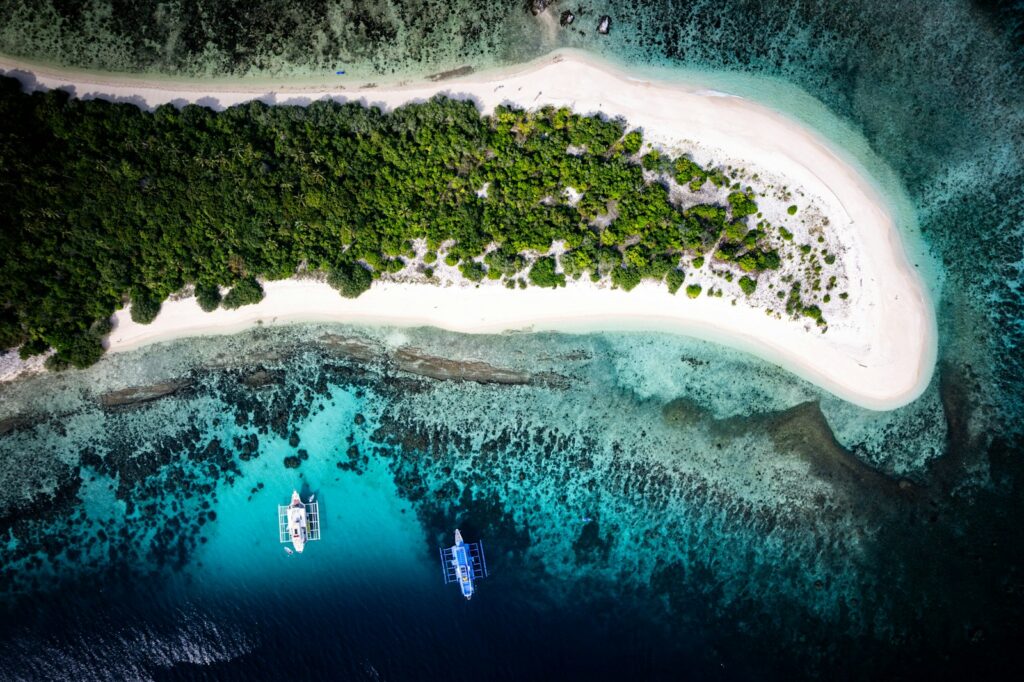
The tour with the most snorkeling time in Komodo is not the standard six-stop sightseeing run. It is a purpose-built itinerary — typically three to four water stops, a speedboat instead of a slow wooden boat, and no Padar sunrise hike or dragon-viewing detour. Most shared-boat day trips from Labuan Bajo are sold as highlight tours: Padar, the dragons at Komodo or Rinca, Pink Beach, Taka Makassar, Manta Point, and Kanawa or Kelor. That is a lot of places. It is not a lot of water time. Here is what the numbers actually look like.
Why the Standard Six-Stop Run Is Not a Snorkeling Day
Operators do not publish timed itineraries. What follows are observed typical ranges — not guarantees, since weather, tides, and group pace all shift the clock. That said, the broad shape of a standard six-stop day is consistent enough to be worth mapping.
A typical full-day shared speedboat departs Labuan Bajo harbor between 07:00 and 08:00 and returns around 17:00 to 18:00. Call it nine to ten hours door to door. Here is roughly where that time goes:
| Stop | Activity | Typical Transit Each Way | Time at Stop | Estimated In-Water Minutes |
|---|---|---|---|---|
| Padar Island | Sunrise hike to viewpoint | 60–90 min from Labuan Bajo | 60–90 min | 0 |
| Pink Beach | Snorkeling + beach time | 20–30 min from Padar | 45–60 min | 25–40 |
| Komodo Island | Dragon trek with ranger | 15–25 min from Pink Beach | 60–90 min | 0 |
| Taka Makassar | Sandbar photos + brief snorkel | 20–30 min from Komodo | 20–30 min | 10–20 |
| Manta Point (Karang Makassar) | Drift snorkel | 15–25 min from Taka Makassar | 30–60 min | 20–45 |
| Kanawa or Kelor Island | Snorkeling or hillside hike | 30–50 min return to Labuan Bajo | 30–45 min | 15–30 |
All timings are estimated typical ranges based on observed itineraries and guest reports, last verified June 2026. They are itinerary-dependent and weather-dependent — a late Padar start, a rough-sea detour, or a skipped stop reshapes the whole day.
Add that up: somewhere between 70 and 135 minutes of actual in-water snorkeling across a nine-hour day. That is roughly one to two hours. The rest is transit, hiking, waiting for the ranger, eating lunch on the boat, and motoring between stops separated by twenty to forty minutes of open water each way.
That is not a criticism of the itinerary. Padar’s ridge view is genuinely worth seeing. The Komodo dragons are not something you forget. But if snorkeling is the reason you are here, that itinerary is spending your energy in the wrong places.
What Buying Back In-Water Time Actually Looks Like
Skip Padar and the Dragon Trek
These two stops account for roughly 120 to 180 minutes of your day — the hike up Padar’s ridge, the walk to the dragon viewpoints, ranger briefings, and the associated boat transit. Drop both and you have reclaimed that time for water stops. An itinerary that substitutes Siaba Besar (Turtle City) for the dragon trek and heads straight from Labuan Bajo to the snorkel sites can fit four or five genuine water stops into the same nine-hour window.
Siaba Besar is a protected shallow reef running two to six meters deep, current rated mild to protected, green turtles reliably present — it is arguably the most rewarding snorkel in the park for anyone not on scuba, and it rarely appears on the standard six-stop sales pitch because it has no hike and nothing to photograph from a drone.
Choose a Speedboat Over a Slow Wooden Boat
Shared slow boats (traditional wooden phinisi-style day boats) typically charge around Rp 900,000 to 1,300,000 per person (roughly USD 55–80, last verified June 2026). They are cheaper and often have more shade and a better onboard atmosphere. But at cruising speeds of around six to eight knots, the transit from Labuan Bajo to Padar alone can run 90 minutes each way. On a slow boat, you are often spending three to four hours of the day just moving.
A speedboat covers the same distances at 20–25 knots. Labuan Bajo to Pink Beach: 25–35 minutes instead of 60–90. That difference, compounded across five or six legs, is easily 90 to 120 minutes of recovered time — time that can go into the water instead of the boat seats.
The tradeoff is comfort. Speedboats are loud, bumpy in any chop, and cold in the early morning. Anyone prone to seasickness should note that the fast boat’s pounding hull can make nausea worse than the slow boat’s gentler roll, even though the ride is shorter. Factor that in.
Go Private
A private speedboat charter for two to six people runs roughly Rp 6–10 million per day (all-in, before park fees) — around USD 370–620 at mid-2026 rates, last verified June 2026. Larger or premium boats go higher, up to Rp 18.5 million. Split across four people that is Rp 1.5–2.5 million each, which is not dramatically more than a shared boat once you factor in the park fees that everyone pays in cash regardless.
What a private charter actually buys you is time control. You choose your stops. You spend 60 minutes at Siaba Besar instead of 20. You skip Padar entirely if you have already done it. You can hit Manta Point at exactly the tidal window your skipper recommends — not whenever the shared boat finishes its dragon tour — which materially improves your chances of a manta encounter.
If you want to plan a private day built around maximum snorkel time, use our planning form or reach out via WhatsApp — our concierge team can outline itinerary options without any obligation. No one can pay to change what we publish here; if you proceed with a partner operator, they may pay us a referral fee at no extra cost to you.
The Snorkel-First Itinerary: What Four to Five Hours in the Water Looks Like
A purpose-built snorkeling day — speedboat, no hikes, four water stops — might run like this:
- 07:00 — Depart Labuan Bajo harbor
- 30–40 min transit southeast toward the central park.
- 07:40 — Siaba Besar (Turtle City)
- 60–75 min in water. Shallow protected reef, two to six meters. Multiple green turtles typical. Beginner-safe. Best current window: rising tide or slack.
- 09:00 — Taka Makassar sandbar
- 15 min transit. 30–45 min at the sandbar: photos on the white sand, a brief snorkel on the sheltered side at slack tide (the manta-channel edges can drift strongly on a running tide — your guide will read it). In-water time: 15–25 min useful snorkeling.
- 10:00 — Manta Point (Karang Makassar)
- 10–15 min transit. 45–60 min in water on a good day. This is a drift site — a long rubble-and-sand plateau running five to fifteen meters deep, with manta rays feeding in the top zero to five meters on calm mornings. Entry is tide- and current-dependent; your guide will hold the entry if conditions are wrong. When they are right, this is the highlight of any Komodo snorkel day. Intermediate skill level; non-swimmers should wear a life jacket with a guide in the water alongside.
- 12:00 — Lunch on the boat, transit northwest
- Floating lunch while heading toward the northern sites. 30–45 min.
- 13:00 — Kanawa Island
- Beach-entry house reef from one to two meters down to five to eight meters. Current rates mild to protected. Good visibility. The most beginner-friendly snorkel in the park — 45–60 min comfortably. Hawksbill turtles, reef fish, coral in workable condition.
- 14:30 — Optional: Pink Beach
- 30 min transit. 30–45 min snorkeling off the beach in a semi-sheltered bay. The sand’s pink color comes from red carbonate fragments — foraminifera and coralline algae fragments mixed into the white coral sand, not just crushed red coral as tour brochures often say. Worth including if energy holds; note that micro-currents around the headland can be stronger than they look.
- 16:30 — Return to Labuan Bajo
- 45–60 min depending on sea state.
Total estimated in-water time: 165 to 230 minutes — roughly three to nearly four hours. That is double to triple the typical six-stop sightseeing run. The difference is not magic. It is just choosing snorkeling as the point of the day rather than one feature among six.
Slow Boat vs Speedboat: The Honest Tradeoff Table
| Factor | Shared Slow Boat | Shared Speedboat | Private Speedboat |
|---|---|---|---|
| Typical price (excl. park fees) | Rp 900k–1.3M pp | Rp 1.4–1.6M pp | Rp 6–18.5M per boat |
| Transit time per leg | 60–90 min (long legs) | 20–40 min (same legs) | 20–40 min + flexible routing |
| Estimated snorkel time (6-stop run) | 60–90 min total | 70–135 min total | Up to 200–240 min (custom itinerary) |
| Seasickness risk | Moderate (slow roll) | Higher (hull pounding in chop) | Higher (same hull, more flexibility to shelter) |
| Stop flexibility | Fixed group schedule | Fixed group schedule | Full — you set the agenda |
| Group size | Up to 20–30 pax typical | Up to 15–22 pax typical | 2–8 pax |
| Best for | Social travelers, budget, calm seas | Balance of cost and speed | Snorkel-first itinerary, families, specific timing |
Prices last verified June 2026 from multi-source ranges; individual operator quotes will vary. Park fees (approximately Rp 275,000–375,000 for foreigners minimum, cash) are excluded from all figures above — see our park fees guide for the current breakdown.
Tidal Timing: Why It Matters More Than the Itinerary
A good itinerary on a bad tidal day still underdelivers. Manta Point is tide-dependent — operators skip the entry or shorten it when current runs too strong, which is the right call, not a failing. Taka Makassar’s useful snorkel window is tight around slack tide; the sandbar floods and the edges run hard when the tide is moving. Siaba Besar is the most forgiving site, workable across most of the tidal range.
When you are booking, ask the operator which tidal window they plan Manta Point around. Experienced operators target the rising tide or the hour before slack for the best manta-feeding conditions. If the itinerary has you at Manta Point at the same time every day regardless of tide, that is a signal the schedule is built for logistics, not marine life.
What You Cannot Control
Weather. A west-monsoon swell (roughly December through February, with the worst in January–February) can shorten, reroute, or cancel any day trip outright. The harbor master in Labuan Bajo can close the port on short notice in bad weather — no public statistics exist on how often this happens, but if you are traveling December to February, build buffer days into your trip. Even in the dry season (April to November), afternoon swells can slow the return leg and reduce your last stop.
Manta sightings. Manta rays are wild animals. Karang Makassar (Manta Point) is the most reliable site in central Komodo for encounters — mantas feed in the top zero to five meters and surface on calm mornings — but no operator can guarantee them. The stronger aggregation season is roughly November to February when plankton blooms peak, but mantas are present year-round including during the June to August dry-season peak. Any itinerary that advertises a guaranteed sighting is not being honest with you.
To plan a snorkel-first day with people who will tell you which tidal window they are targeting and which stops they might skip if conditions turn, get in touch through our planning page. A WhatsApp message to our concierge team takes two minutes and can save you an under-water day.
Frequently Asked Questions
How much snorkeling time does a standard Komodo day tour include?
Most shared day trips include roughly 70 to 135 minutes of actual in-water snorkeling across three snorkel stops, spread over a nine- to ten-hour day. The rest of the time goes to boat transit, a hike up Padar, and the dragon-viewing trek on Komodo or Rinca. These are estimates based on observed itineraries, not published schedules — itinerary-dependent and weather-dependent.
Does a speedboat give more snorkeling time than a slow boat?
Yes, in practice. A speedboat covers each inter-island leg in 20–40 minutes versus 60–90 minutes on a slow wooden boat. Across five or six legs in a day, that recovers 90–120 minutes that can go toward extra water stops or longer sessions at existing ones. The tradeoff is a rougher, louder ride that can worsen seasickness in choppy conditions.
Which stops should I skip to maximize snorkeling time?
Padar and the dragon trek together account for roughly two to three hours of non-snorkeling activity including transit. Replacing them with an extra water stop — Siaba Besar for turtles is the most common swap — can double your in-water total. If you have already seen the dragons or can add a separate afternoon hike to Padar, a pure snorkel itinerary is the better use of a single day.
Is Siaba Besar on the standard day-trip itinerary?
Rarely. Siaba Besar (also called Turtle City or Siaba Island) is a protected shallow reef at two to six meters, mild current, with some of the densest green turtle sightings in the park. It almost never appears on the standard sightseeing-run itinerary because it lacks a landmark feature — no pink sand, no ridge hike, no manta name recognition. Snorkel-focused operators and private charter clients who ask for it specifically tend to rank it among their best stops.
Can I see manta rays if I skip the standard itinerary and build a custom day?
Yes — Manta Point (Karang Makassar) can be included in any custom itinerary. The advantage of a private or custom route is timing: you can target the tidal window your skipper recommends for manta feeding conditions rather than arriving whenever the group itinerary allows. Encounters are never guaranteed — mantas are wild animals in open water — but starting at the right tidal window improves the odds materially compared to arriving mid-afternoon on a fixed schedule.